
Exploring the historical evolution of casinos and their impact on modern gaming
The Origins of Casinos
The history of casinos can be traced back to ancient civilizations where games of chance were a form of entertainment. The earliest recorded gambling activities date back to around 2300 BC in China, where dice games were prevalent. Similarly, in ancient Rome, betting on chariot races and other events was common, laying the groundwork for organized gaming. These early forms of gambling created a cultural foundation that would eventually lead to the establishment of dedicated gaming venues, including new online casinos that continue this tradition today.
The modern concept of a casino began to take shape in the 17th century with the opening of the first official gambling house in Venice, Italy, known as the Ridotto. This venue was designed specifically for the purpose of gambling and offered a controlled environment for various games, reflecting an evolution from informal betting to regulated gaming. The growth of casinos continued throughout Europe, leading to the emergence of iconic establishments like Monte Carlo and Baden-Baden, which set the stage for the lavish casinos we recognize today.
The Rise of Casinos in the 20th Century
The 20th century marked a significant turning point for casinos, particularly with the legalization of gambling in various regions. The establishment of Las Vegas as the gambling capital of the world was a pivotal moment, beginning in the 1930s. As casinos flourished in this desert oasis, they transformed from simple establishments to elaborate resorts, incorporating luxury amenities that attracted millions of visitors. The allure of Las Vegas changed public perception, making gambling more socially acceptable and mainstream.
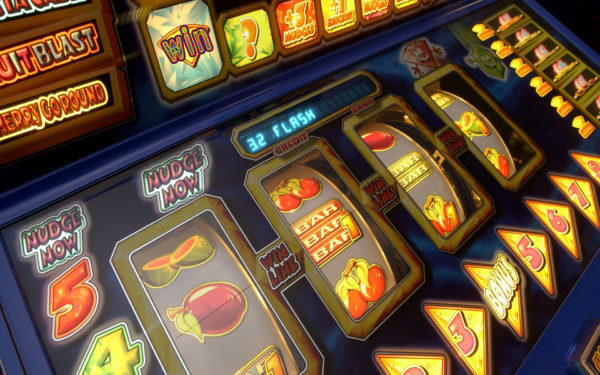
During this period, casinos began to embrace innovative marketing strategies, emphasizing entertainment and hospitality. The introduction of themed casinos and celebrity performances created an immersive experience for patrons, further entrenching casinos in popular culture. This expansion was accompanied by technological advancements, such as the introduction of slot machines and electronic gaming, broadening the appeal of casinos to a wider audience while debunking common myths about gambling.
The Impact of Technology on Gaming
The advent of the internet in the late 20th century revolutionized the casino industry, paving the way for online gambling. The launch of online casinos in the mid-1990s allowed players to access games from the comfort of their homes, drastically changing the landscape of gaming. This shift not only expanded the reach of casinos but also introduced new forms of gambling, such as live dealer games and mobile gaming, catering to the preferences of modern consumers.
Technological developments have also enhanced the gaming experience within physical casinos. Innovations like virtual reality and augmented reality are beginning to transform traditional gaming environments, creating more engaging and interactive experiences. As technology continues to evolve, casinos are adapting to meet the expectations of a new generation of gamers who prioritize convenience and immersive entertainment.
The Cultural Significance of Casinos
Casinos have played a notable role in shaping cultural identities and perceptions surrounding gambling. They are often seen as symbols of luxury, excitement, and risk, intertwining with themes of chance and fortune in literature, film, and media. The portrayal of casinos in popular culture has significantly influenced public attitudes toward gambling, leading to both glamorization and stigmatization.
Moreover, casinos have become integral to tourism in many regions, generating substantial economic contributions. Cities that host major casinos often experience increased visitor traffic, boosting local businesses and creating jobs. However, this also raises discussions around gambling addiction and regulation, highlighting the need for responsible gaming practices to balance entertainment with social responsibility.
Conclusion: The Future of Casinos and Gaming
As we look toward the future, the evolution of casinos continues to be marked by rapid change and innovation. The growth of online gaming platforms and advancements in technology suggest that the landscape of gambling will keep evolving. Modern casinos are increasingly focused on enhancing user experiences, utilizing data analytics to tailor offerings to consumer preferences.
In this ever-changing environment, it is essential for players to stay informed and choose reliable platforms for their gaming experiences. With comprehensive guides available, players can explore their options and find the best online casinos that suit their needs, ensuring a safe and enjoyable gaming journey.