
The Allure of Casino Games
The appeal of casino games is deeply intertwined with human psychology. Many players are drawn to the thrill of risk and the potential for reward, making gambling an exhilarating experience. The excitement of spinning the roulette wheel or pulling the lever on a slot machine can trigger a rush of adrenaline, leading players to chase the feeling of euphoria that often accompanies a win. This emotional high can create a powerful compulsion to continue playing, even when the odds are not in their favor. Many people also explore crypto online casinos to experience this excitement in a digital environment.
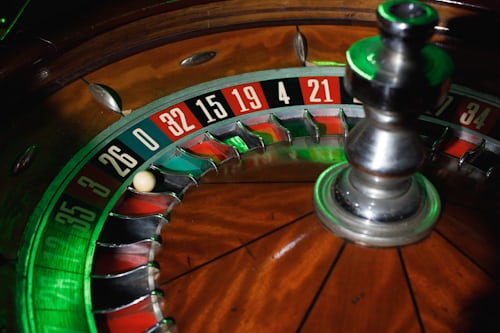
Moreover, casinos are designed to enhance these feelings. Bright lights, engaging sounds, and the overall atmosphere contribute to the immersive experience that draws people in. Such environments can induce a temporary state of euphoria, often referred to as “the gambler’s high,” which further fuels a player’s desire to gamble. Understanding this psychological aspect is crucial for both players and casino operators, as it shapes the dynamics of play and engagement.
The Role of Cognitive Biases
Cognitive biases significantly influence player behavior in casinos. One common bias is the illusion of control, where players believe they can influence the outcome of games that are largely based on chance. For instance, gamblers might think that a specific strategy can lead to consistent success in games like blackjack or poker, despite the underlying probabilities. This illusion can lead to increased betting and prolonged play, even in the face of losses.
Another significant bias is the gambler’s fallacy, where players believe that past events can influence future outcomes. For instance, if a slot machine hasn’t paid out in a while, a player might assume they are “due” for a win. This misconception feeds into the cycle of gambling, as players continue to engage in hopes of hitting the jackpot, often leading to detrimental financial consequences.
The Impact of Social Factors
Social influences play a pivotal role in gambling behavior. Many individuals are drawn to casinos due to a desire for social interaction and shared experiences. The communal aspect of casino games, where players often cheer for each other or engage in friendly banter, can enhance the enjoyment of gambling. This social reinforcement can lead players to spend more time and money in casinos, driven by the desire for connection and camaraderie.
Furthermore, the presence of friends or social groups can amplify the excitement and risk-taking behavior among players. The encouragement of peers can lead to a more immersive experience, often overshadowing rational decision-making. Social dynamics not only impact gambling habits but also contribute to the development of responsible gambling practices, highlighting the importance of community support in managing gambling behavior.
The Neuroscience of Gambling
The brain’s response to gambling is complex and fascinating. Research has shown that activities associated with gambling can activate the brain’s reward system, releasing dopamine, a neurotransmitter linked to pleasure and motivation. This biological response reinforces the behavior, making players crave the thrill of winning, which can lead to repetitive gambling patterns.
Neuroscientific studies have identified specific areas of the brain that are particularly active during gambling, notably the ventral striatum, which is involved in reward processing. Understanding these mechanisms can help in developing strategies for responsible gambling and addressing instances of problem gambling. Awareness about the neuroscience behind gambling behavior can empower players to make informed choices and recognize when their gambling habits might be becoming problematic.
Understanding Responsible Gambling
As the psychology behind gambling becomes clearer, the importance of responsible gambling practices emerges as a critical focus. Operators in the industry are increasingly recognizing their role in promoting safe gambling environments and educating players about the risks involved. Strategies such as self-exclusion programs, limits on betting amounts, and providing resources for problematic gambling behavior are becoming standard in many casinos.
Awareness campaigns aim to equip players with the tools they need to recognize signs of gambling addiction and to seek help when necessary. This approach not only benefits individual players but also enhances the overall integrity of the gambling industry. By fostering a culture of responsibility and understanding, the casino environment can become a safer space for enjoyment and entertainment.